Skip to content
Home
SearchMy Plans

Your VI Local

THE VIRGIN ISLANDS GUIDE

Your islands.
Your way.

A little local knowledge goes a long way.
What brings you here?

Beaches, businesses & events are always free.
Change your preference anytime in Settings.

A shared sea · distinct island stories

One chain.
Many histories.

Explore the roots, turning points, and living traditions of the U.S. and British Virgin Islands.Begin the story
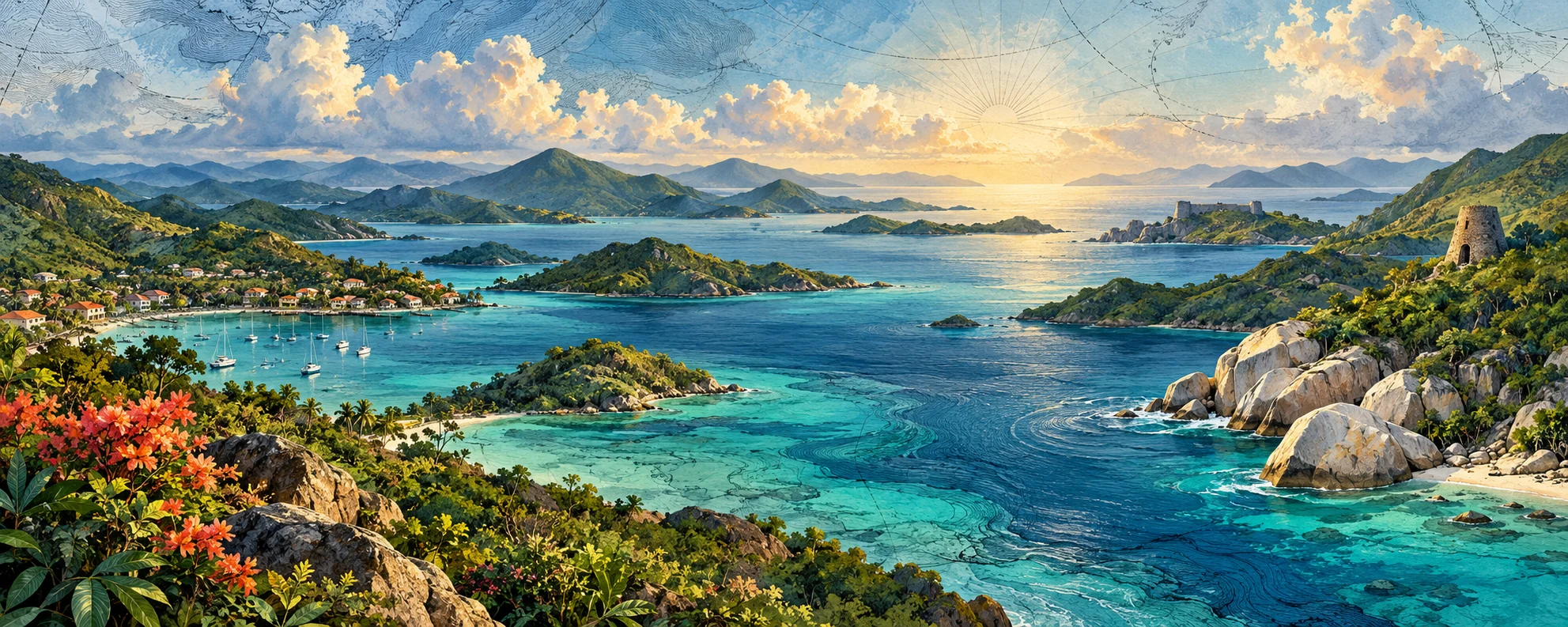
Interpretive panorama of Virgin Islands ridgelines, waterways, harbor buildings, and archival chart marks
AN ARCHIPELAGO OF STORIES

Original interpretive artwork · not a historical photograph or literal map

START WITH THE PEOPLE

These islands had a story
long before the maps did.

Indigenous communities traveled, settled, farmed, fished, made tools and pottery, and built connections across the Caribbean. European colonization later brought competing empires, plantation economies, and the forced migration and enslavement of Africans.

People resisted, survived, and shaped the islands that followed. Families, work, trade, language, music, faith, and movement across the water continue to connect the Virgin Islands—while the U.S. and British territories each carry their own political history.

Explore the British Virgin Islands

A LIVING TIMELINE

Milestones across
the Virgin Islands.

Dates help orient the story. They cannot capture every community, family, or act of resistance.

Shared historiesU.S. Virgin IslandsBritish Virgin Islands

Indigenous communities shape island life

People settled the Virgin Islands long before European ships arrived. Archaeological places such as Salt River on St. Croix and Cinnamon Bay on St. John preserve evidence of Indigenous life, travel, craft, and community.

Read the source
A European voyage enters the record

During his second voyage, Christopher Columbus reached Salt River on St. Croix and named the island Santa Cruz. Taíno and other Indigenous people were already living throughout the region; this date marks a European encounter, not the beginning of island history.

Read the source

Two colonial administrations take hold

Denmark established a settlement on St. Thomas, while England took control of Tortola during the same year. From this point, neighboring islands developed under different colonial governments and legal systems.

Read the source

A settlement grows—and enslaved people resist

Denmark formally occupied St. John in 1718. In 1733, enslaved people began a revolt that lasted about six months. Their fight for freedom remains central to the island’s history and memory.

Read the source

Slavery is abolished under British law

The abolition of slavery took effect in the British Virgin Islands. Emancipation is remembered through the Territory’s August festival season, where history, family, music, and cultural traditions meet.

Read the source

Freedom is proclaimed in St. Croix

After sustained resistance by enslaved people, Governor General Peter von Scholten proclaimed emancipation in St. Croix. The date is commemorated throughout today’s U.S. Virgin Islands as Emancipation Day.

Read the source

The islands transfer from Denmark to the United States

The United States paid Denmark $25 million in gold for the former Danish West Indies. The transfer created a new political chapter for the islands that became the U.S. Virgin Islands; the British Virgin Islands remained under British administration.

Read the source

Citizenship and elected territorial government

U.S. citizenship was conferred on U.S. Virgin Islanders in 1927. Federal laws expanded local government, and the first elections for constitutional officers were held in 1970.

Read the source

Constitutional government begins

A new constitution brought a major change in local governance and a renewed ability for Virgin Islanders to direct local affairs. The BVI’s constitutional story is distinct from the U.S. Virgin Islands’ territorial system.

Read the source

HISTORY IN PLACE

Walk through the
layers of the story.

Historic sites preserve evidence, architecture, and memory. Visit respectfully, and follow current access guidance from each site.

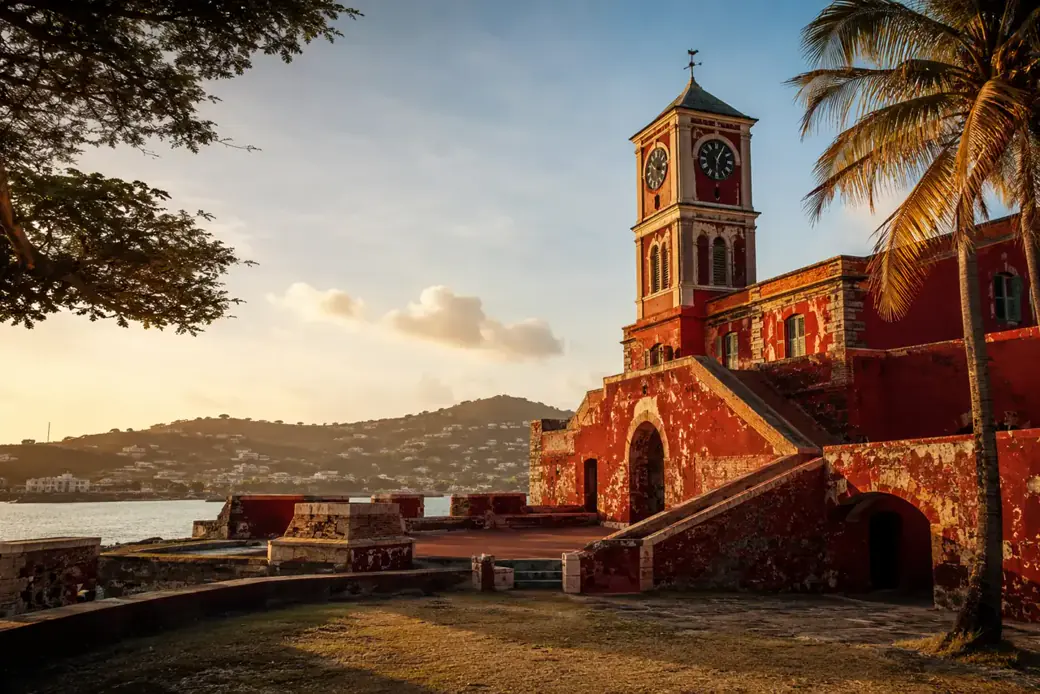
Historic Fort Christian in Charlotte Amalie St. Thomas

Fort Christian

Follow the changing roles of Charlotte Amalie’s oldest standing structure—from colonial defense to civic landmark.

Explore this place
Historic buildings in Christiansted on St. Croix St. Croix

Christiansted’s historic district

Read the port, streets, and buildings in the context of Danish rule, trade, sugar, and the labor of enslaved Africans.

Explore this place

KEEP EXPLORING

History is part of the journey.

Find island guides, local landmarks, and visitor information for both territories.

Explore WelcomeToVI